Students preparing for the SSAT with a structured plan perform better with greater confidence and fewer errors. SSAT focuses on students’ verbal reasoning, reading comprehension, and quantitative skills. However, it also evaluates the student’s performance under pressure. These errors are too common, but they are easy to avoid. If not concerned, they will hold students back more than the content itself. Small lapses, like losing track of time or rushing through instructions, can disrupt accuracy and lower scores.
This guide explains the most common SSAT mistakes and the methods students use to avoid them. Programs like Ivy Tp, which focus on deliberate skill-building, emphasise this proactive approach. With the right strategies, students enter the SSAT with control rather than uncertainty.
What Are The Common SSAT Mistakes and Their Solution?
Here is the list of common mistakes in the SSAT by students and how they can avoid them.
1- Losing Time on Difficult Questions
It is not very uncommon for students to get stuck on a single problem. The SSAT emphasizes efficient decision-making rather than perfection on every question. When students slow down, they lose the minutes they need for easier items that add points quickly.
How to Avoid Losing Time on Difficult Questions:
Learn about the skip-and-return method. A student should attempt a problem, make progress, and move on if they are stuck. A time checkpoint is helpful; divide every section by the number of questions and available minutes. Structured pacing results in consistent gains.

2- Misreading Question Stems
Sometimes students overlook a crucial word, not, except, least, best, or closest in meaning. A missed qualifier may change the entire meaning of the question. Misinterpreting units or operations in math results in simple but expansive errors.
How to Avoid Misreading Question Stems:
Students should learn to read the question twice before reviewing options. Underline directional words. While solving a math equation, one should pause after solving to match their answer to the required unit and format. Accuracy improves when attention shifts to meaning rather than speed.
3- Misaligned Bubbles on the Answer Sheet
Misaligned bubbles create cascading errors on the paper-based SSATs. Students who skip one question but forget to leave its bubble empty score incorrectly on multiple items.
How to Avoid Misaligned Bubbles on the Answer Sheet:
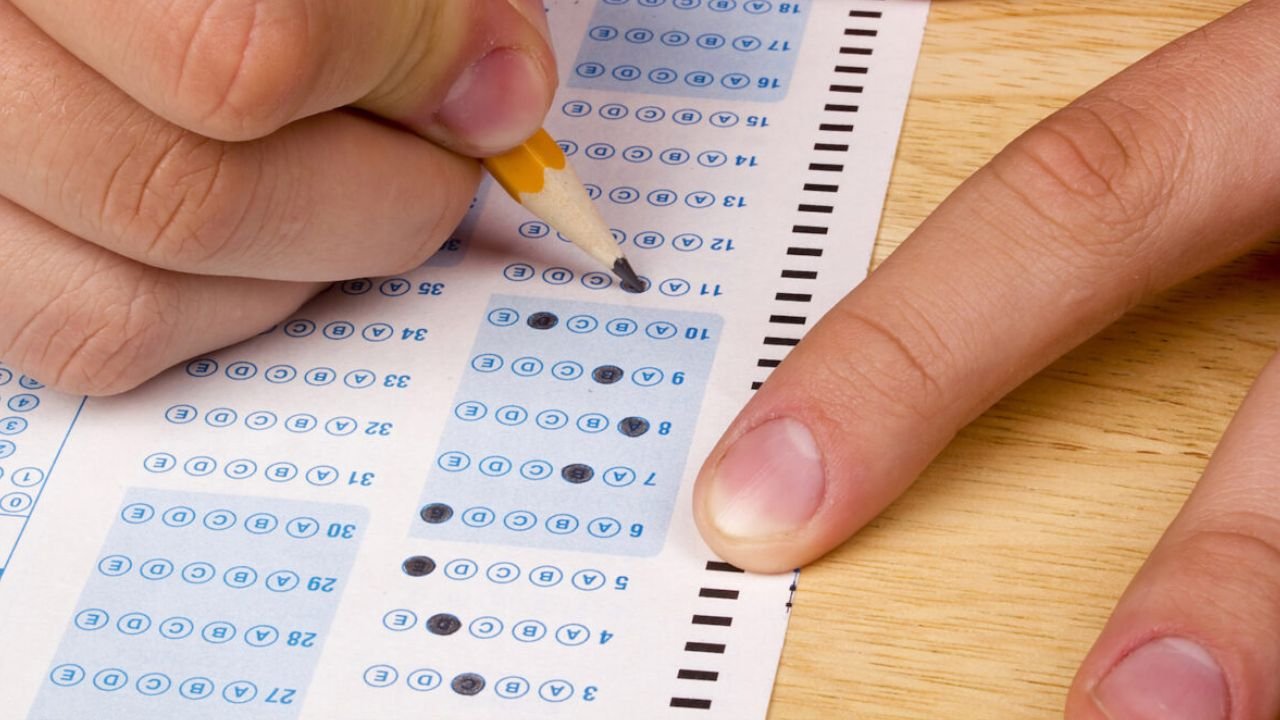
Students should bubble after each question or after each small group of questions, never a full page at once. They should match each question number with its bubble before moving forward. This small habit protects the entire score.
4- Guessing Blindly Without Understanding Penalties
The scoring system of the SSAT deducts one-quarter of a point for each incorrect answer on the middle and upper level exams. Students who guess without eliminating options take unnecessary risks.
How to avoid blind guessing in SSAT:
Ask your teachers to explain the best scoring system clearly. You should guess only when they eliminate at least one or two options. If no option seems reasonable, skipping is the strategic choice. Teaching disciplined guessing raises accuracy.
5- Weak Time Management Throughout Sections
Time management is a crucial part of SSAT prep and success. You will have to struggle with panning at first. Some students may read too slowly, while others rush and miss details. Balanced timing requires intentional practice.
How to Avoid Weak Time Management:
Introduce timed drills early in preparation. A student who practices tests under timed conditions learns natural pacing. Encourage them to establish section benchmarks. For example, completing 10 Reading questions in 12 minutes. Consistent practice builds stamina and speed control.
6- Over-Annotating Reading Passages
Students sometimes overexplain the topic. Heavy marking slows reading and interrupts the understanding procedure. The SSAT reading section rewards broad understanding rather than detailed formatting.
How to Avoid Over-Annotating Reading Passages:
Learn about light annotation. Students should mark key phrases, transitions, or tones sparingly. The goal is clarity, not decoration. You should finish reading with a clear sense of the main idea, argument, and structure.
7- Limited Vocabulary Strategy
Students who focus on memorization only cannot retain all the information in their minds. Having a limited vocabulary reduces their understanding of content. Rote vocabulary lists help but do not replace root analysis or contextual reasoning.
How to avoid Limited Vocabulary:
Focus vocabulary study on Latin and Greek roots, affixes, and word families. Encourage students to infer meaning through connotation. Students should group words by category, tone, intensity, and function to build lasting recognition.
8- Disorganized Writing Sample
While the SSAT writing sample doesn’t have a score officially but admission committees read it closely. Students who write without structure weaken their application. An organized writing sample shows how well thought the structure of the students is.

How to have an organized writing sample:
Opt for a fixed, repeatable essay format: introduction with thesis, body paragraph one with a clear example, body paragraph two with a contrasting example or deeper insight, and a brief conclusion. Clarity, coherence, and control matter more than creativity.
9- Overlooking Official Directions
Each SSAT features its own directions for candidates, too. Many errors occur because students skip instructions. They know the exam format but assume the same rules apply to every version.
How to Avoid Rules Omission:
Train students to pause before each section and read the directions fully. Even seasoned test-takers benefit from reviewing guidelines on timing, format, and scoring.
10- Ignoring Stamina Training
Just like other standardized tests, the SSAT lasts long enough to test endurance, and you also know how long the SSAT test lasts. Students will not only have to work on content but also prepare for stamina management. If you practice only with short drills, you will get easily tired halfway through the exam.
How to Start Stamin Training for SSAT?
Opt for full-length SSAT Practice Tests in the study plan. Join a SSAT prep program like Ivy Training and Practice to get practice exams with real exam conditions. This helps students control energy, maintain focus, and develop resilience. Stamina influences performance as strongly as content knowledge.
11- Focusing on Strengths, Ignoring The Weaknesses
Students sometimes prepare heavily for one section and ignore others. They care too much about what they know without focusing on what they don’t. Balanced scoring requires balanced preparation.
How to Start Targeted SSAT Practice:
Build a study plan that addresses each area: verbal reasoning, reading comprehension, quantitative reasoning, and writing. Every section contributes to the composite score, and you also know the best SSAT score.

FAQs About Common SSAT Mistakes
Let’s answer your question about the common SSAT mistakes.
What are the most common SSAT mistakes students make?
The most common mistakes include poor pacing, misreading questions, misaligned bubbling, guessing without using elimination, skipping directions, and relying on memorization rather than reasoning.
How can students avoid losing time on the SSAT?
Students avoid losing time by skipping difficult questions, following pacing checkpoints, practicing under timed conditions, and limiting annotation in the reading section.
Should SSAT students guess when unsure of an answer?
Students should only guess when they eliminate at least one or two options, as the test deducts points for incorrect answers. If no choice appears plausible, skipping is the smarter option.
Why do students misbubble on the SSAT, and how can they prevent it?
Students misbubble because they are too quick to answer or skip the questions without tracking the numbering. Bubbling in small groups and checking alignment after each page prevents cascading errors.
How can students improve their SSAT reading performance?
Students improve reading performance by identifying the main idea, analyzing tone, using little annotation, and understanding passage structure.
How important is the writing sample on the SSAT?
The writing sample in the SSAT is unscored, but it is an important part of a student’s evaluation by admissions committees. The sample shows clarity, structure, and writing control. A well-organized essay strengthens an application.
Bottom Line
The SSAT focuses on reasoning, understanding, and problem-solving. However, it also shows how the students prepared for the test. These are the most common mistakes by SSAT students that can be easily avoided. Knowing and working on these mistakes helps students with greater confidence and stronger accuracy.
By pacing themselves, practicing under real conditions, reading carefully, and managing small details like bubbling, they build a reliable strategy for exam day. The SSAT rewards students working through discipline and awareness. When they follow these tips to avoid mistakes, they bring steadiness and control to a challenging test. This stability becomes a long-term academic advantage. Just before you start, you also know the SSAT Test Dates